Contracts
Graphic Design Terms and Conditions
Fixed-fee legal help from a top-rated online law firm, with expert lawyers guiding you every step of the way.

20,000+ UK businesses helped


Get a free quote
We’ll get back to you within 1 business day.




What's included
Get tailored graphic design terms and conditions for your business.
Our expert lawyers will draft comprehensive terms and conditions specifically for your graphic design services. Protect your business and clarify your client relationships with professional legal documentation.
- Customised graphic design terms and conditions
- Legal review of your existing agreements
- Advice on copyright and intellectual property
- Support for client disputes and negotiations
Project
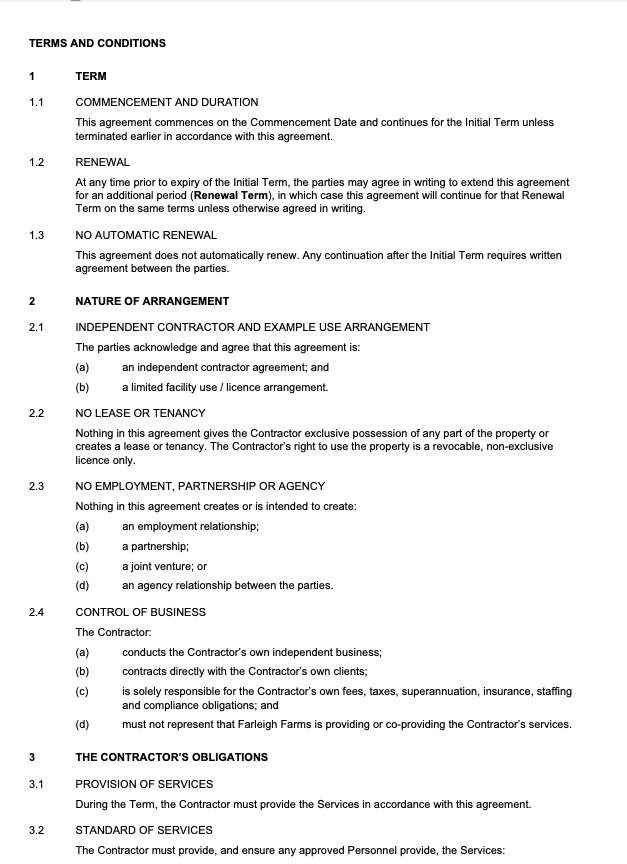
Graphic Design T&Cs
Status
CompletePrepared by

Alex Solo
Senior Lawyer
FAQs
Frequently asked questions
Unsure about how we work? We have gathered the most common questions for your convenience.
When preparing graphic design terms and conditions, it is important to include several key points to protect both parties. Start with a clear description of the scope of work, setting out the services to be provided.
You should also include payment terms, covering fees, payment timing and any consequences for late payment. Clauses dealing with intellectual property rights are also important, including who owns the final designs and any limits on how they can be used.
It is also sensible to address confidentiality so that any sensitive information shared during the project remains private.
Other useful clauses include revisions and changes, setting out how many revisions are included and the cost of extra work, as well as a termination clause explaining when either party can end the agreement.
Finally, include liability and indemnity provisions to help limit liability and deal with potential claims. Covering these points can help create a clear and practical agreement.
When drafting terms and conditions for graphic design services, it is important to consider several key legal points. Start by clearly defining the scope of work so there is no confusion about the services being provided.
You should also include clear payment terms, covering fees, payment dates and any consequences for late payment. It is important to address intellectual property rights, including who owns the designs and any limits on how they may be used.
Confidentiality clauses can also help protect sensitive information shared during the project. In addition, it is useful to include a section on revisions and changes, setting out how many revisions are included and the cost of any extra work.
A termination clause should explain when either party can end the agreement. Liability and indemnity provisions can also help limit liability and deal with potential claims.
Covering these points can help create a clearer and more effective agreement for both parties.
When creating graphic design terms and conditions under UK law, it’s important to avoid a few common pitfalls.
One of the biggest mistakes is failing to clearly define the scope of work. If the services are not described properly, disputes can arise about what is and is not included.
It’s also important to set out clear and enforceable payment terms, including fees, payment schedules and what happens if payment is late.
Another common issue is not dealing properly with intellectual property rights. You should clearly state who owns the designs and whether there are any limits on how they can be used. Leaving out a confidentiality clause can also create problems if sensitive information needs to be protected.
Your terms should also cover revisions and changes, including how many revisions are included and the cost of any extra work. A clear termination clause is important too, so both parties understand when and how the agreement can end.
Finally, include liability and indemnity provisions to help limit liability and protect against potential claims. Covering these areas can help you create a clear and legally sound agreement that protects your interests and sets expectations from the start.
When updating graphic design terms and conditions under UK law, it’s important to cover the key points clearly so both parties understand their rights and responsibilities.
Start by defining the scope of work, so there is no confusion about the services being provided. You should also set out clear payment terms, including fees, payment schedules, and any charges for late payment.
Intellectual property rights are also important. Make it clear who owns the designs and whether there are any limits on how they can be used. It can also help to include a confidentiality clause to protect sensitive information shared during the project.
You may also want to include a section on revisions, explaining how many changes are included and what extra revisions will cost. A termination clause is useful too, as it sets out when and how either party can end the agreement.
Finally, include liability and indemnity provisions to help limit risk and deal with potential claims. Covering these areas can help create a clear and well-structured agreement that protects your interests.
Graphic design terms and conditions can protect both the designer and the client by setting clear expectations and putting key legal protections in place under UK law.
They should define the scope of work clearly, so both parties understand what services will be provided. This can help prevent misunderstandings and disputes.
They should also set out payment terms, including fees, payment dates, and any charges for late payment. This helps the designer get paid properly and gives the client clarity about costs.
Intellectual property rights are another important area. The agreement should explain who owns the final designs and whether there are any limits on how they can be used. This helps protect the designer’s work while making the client’s rights clear.
Including a confidentiality clause can also help protect sensitive information shared during the project.
It is also useful to include a section on revisions, setting out how many changes are included and what extra revisions will cost. This can help manage expectations and reduce scope creep.
Finally, termination, liability, and indemnity clauses can help both parties understand how the agreement can end and what risks each party is responsible for. Taken together, these terms can create a clearer and more balanced working relationship.
Working with us is simple. Start by submitting an enquiry through our website using the form at the top of this page or on our Get Started page. A legal project manager will review your enquiry within 1 business day and get in touch to understand your needs.
They’ll then send you a fixed-fee quote setting out the costs, scope and timing. If you’re happy to proceed, you can accept and sign our engagement letter online. Once that’s done, we’ll connect you with an expert lawyer who will complete your project by email, phone or video chat, usually within 5 business days.
If you’re not looking for help with a specific matter, you can also explore our platform, which offers free templates, tools to help set up your business, and a free tier to get started.
At Sprintlaw, we offer a range of legal services tailored to startups and small businesses. Our pricing is transparent and designed to suit different needs:
- One-off services: Many of our one-off legal services, such as document drafting or reviews, are offered for a fixed fee. Prices typically range from £100 to £1,500 depending on the complexity and scope of the work. You can contact our team at any time for a free quote.
- Membership plans: For ongoing legal support, we offer Sprintlaw Memberships. Memberships include benefits such as access to legal templates, a legal helpline, free legal consultations, and credits for services. We also have a free tier to help you get started, and our standard membership starts at just £33 /month, with options to upgrade for additional value.
- Customised packages: For larger or more complex projects, such as custom contract drafting, we will provide a tailored quote once we understand your specific requirements.
We aim to provide cost-effective legal services without compromising on quality. If you would like an estimate for your needs, feel free to reach out to our team.
Sprintlaw UK operates fully virtually, with our team working online across the UK to support startups and small businesses nationwide. Many of our team are based in London and often meet at co-working offices, but our operations remain fully digital for flexibility and efficiency.
From quote to delivery in three simple steps
Getting quality legal help for your business has never been easier or more affordable.
Get a free quote
Our legally trained consultants will prepare a fixed-fee quote for you.
Accept online
Accept your fixed-fee quote and e-sign our engagement letter.
Speak with a lawyer
Our expert lawyers will talk you through your project via phone, video call or whatever suits.
Get a free quote
Our legally trained consultants will prepare a fixed-fee quote for you.
Accept online
Accept your fixed-fee quote and e-sign our engagement letter.
Speak with a lawyer
Our expert lawyers will talk you through your project via phone, video call or whatever suits.



We've helped over 20,000 UK businesses
From tech startups in London to restaurants in Bristol, we consistently deliver a 5 star service.

“Can’t speak highly enough of my experience with Sprintlaw - quality advice, fast and efficient responsiveness and a professional product.”

Alex Wickert
MD, Adapt Leadership
“I’m so glad I used Sprintlaw - it was easy, affordable and their lawyers gave top quality advice. I could tell they really cared about my business.”

Emmy Samtani
Founder, Kiindred
“They’ve helped us tremendously and are seriously knowledgeable and honest. Couldn’t recommend the crew at Sprintlaw more!”

Amit Tewari
CEO, Soul Burger
Industry leaders


















Not sure where to start?
We can help.
Book a phone call with a legal consultant to get started.
Need help now?
0808 134 7754