Employment Law
Secondment Agreementwith expert lawyers
Fixed-fee legal help from a top-rated online law firm, with expert lawyers guiding you every step of the way.

20,000+ UK businesses helped


Get a free quote
We’ll get back to you within 1 business day.




What's included
Get your secondment agreement drafted with expert guidance.
Our experienced lawyers will help you create a secondment agreement that meets your specific needs. Ensure clarity and compliance with our tailored service.
- Drafting of your secondment agreement
- Tailored advice to suit your business needs
- Review of your existing employment contracts
- Expert lawyers available for consultation
- Fixed-fee pricing for transparency
Project
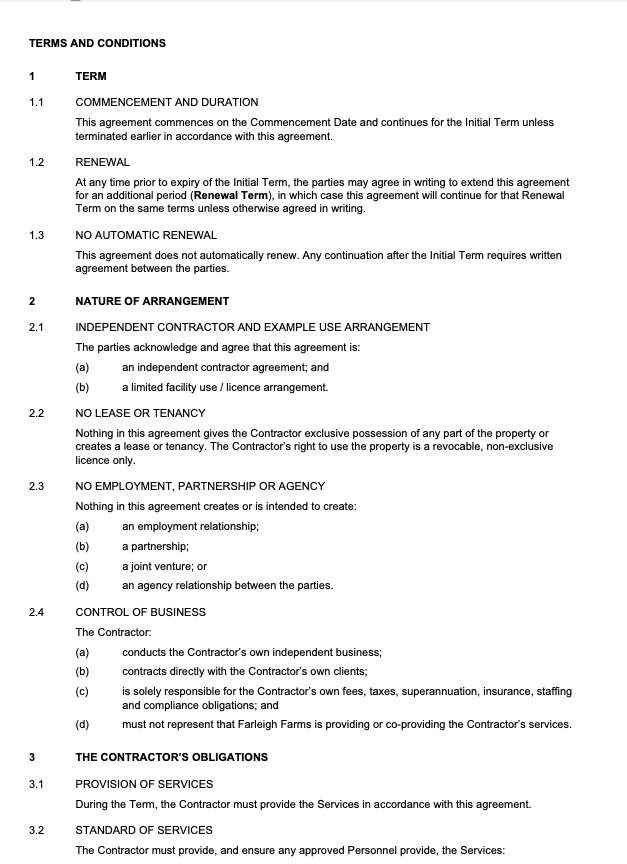
Secondment Agreement
Status
CompletePrepared by

Alex Solo
Senior Lawyer
FAQs
Frequently asked questions
Unsure about how we work? We have gathered the most common questions for your convenience.
A Secondment Agreement is a legal contract that sets out the terms on which an employee is temporarily transferred from one organisation to another. This type of arrangement is common in the UK, particularly where skills and expertise are shared between different organisations. The agreement is important because it clearly defines the rights and responsibilities of the original employer, the host organisation and the employee.
By setting out clear terms, such as the length of the secondment, the employee’s role and responsibilities, and how salary and benefits will be handled, a Secondment Agreement helps reduce the risk of misunderstandings and disputes. It can also deal with matters such as confidentiality, intellectual property rights and the process for returning the employee to their original role.
A well-drafted Secondment Agreement helps protect everyone involved and supports a smoother secondment arrangement.
A Secondment Agreement is an important document under UK law when an employee is temporarily transferred to another organisation. Key points to include are the length of the secondment, including the start and end dates, and the employee’s role and responsibilities during that time. It should also explain how salary and benefits will be handled, including who is responsible for those costs.
The agreement should cover confidentiality obligations to protect sensitive information, and set out any intellectual property rights that may arise during the secondment. It should also explain how the employee will return to their original role at the end of the arrangement.
Including these terms can help avoid misunderstandings and provide legal protection for everyone involved.
A Secondment Agreement can benefit both the employer and the employee. For the employer, it can help develop staff by giving them exposure to new environments, responsibilities and ways of working. This can build skills, broaden experience and bring fresh insight back to the original organisation.
For the employee, a secondment can be a valuable career development opportunity. It can provide experience in a different role or sector, help build professional networks and support the development of new skills.
A well-structured Secondment Agreement also helps protect the employee’s rights and benefits during the secondment period. By clearly setting out matters such as duration, responsibilities, salary and benefits, it can reduce misunderstandings and support a smooth arrangement for everyone involved.
Several common challenges can arise during a secondment, so it’s important to address them clearly in the Secondment Agreement. One key issue is role ambiguity, where the employee may be unsure about their responsibilities within the host organisation. To reduce this risk, the agreement should clearly set out the employee’s role and duties during the secondment.
Another common issue is how the employee’s salary and benefits will be handled. The agreement should specify who is responsible for these costs and how they will be managed, to help avoid financial disputes. It should also deal with confidentiality and intellectual property rights, especially if the employee will have access to sensitive information or create new intellectual property. Clear clauses can help protect both the original and host organisations.
The employee’s return to their original role can also cause tension if it is not properly planned for. The agreement should outline the process and conditions for reintegration into their original position, so everyone understands what will happen at the end of the secondment. By addressing these issues upfront, all parties can benefit from a clearer and better-structured arrangement.
A Secondment Agreement differs from a standard employment contract mainly in its purpose and structure. A standard employment contract sets out an ongoing relationship between an employer and an employee, while a Secondment Agreement is used for the temporary transfer of an employee to another organisation. This type of arrangement is common in the UK and allows employees to gain experience in a different environment while remaining employed by their original employer.
A Secondment Agreement is tailored to the temporary nature of the arrangement. It usually includes details such as the length of the secondment, the employee’s role and responsibilities at the host organisation, and how salary and benefits will be managed during that period. Unlike a standard employment contract, it also deals with the rights and obligations of the host organisation, so all parties understand their roles.
The agreement will often also include clauses on confidentiality and intellectual property rights, particularly where the employee may have access to sensitive information or create new work. By setting out these terms clearly, a Secondment Agreement can help avoid misunderstandings and support a smoother return to the original employer at the end of the secondment.
Working with us is simple. Start by submitting an enquiry through our website using the form at the top of this page or on our Get Started page. A legal project manager will review your enquiry within 1 business day and get in touch to understand your needs.
They’ll then send you a fixed-fee quote setting out the costs, scope and timing. If you’re happy to proceed, you can accept and sign our engagement letter online. Once that’s done, we’ll connect you with an expert lawyer who will complete your project by email, phone or video call, usually within 5 business days.
If you’re not looking for help with a specific matter, you can also explore our platform, which offers free templates, tools to help set up your business, and a free tier to get started.
At Sprintlaw, we offer a range of legal services tailored to startups and small businesses. Our pricing is transparent and designed to suit different needs:
- One-off services: Many of our one-off legal services, such as document drafting or reviews, are offered at a fixed fee. Prices typically range from £100 to £1,500, depending on the complexity and scope of the work. You can contact our team at any time for a free quote.
- Membership plans: For ongoing legal support, we offer Sprintlaw Memberships. Memberships include benefits such as access to legal templates, a legal helpline, free legal consultations, and credits for services. We also have a free tier to help you get started, and our standard membership starts at just £33/month, with options to upgrade for additional value.
- Customised packages: For larger or more complex projects, such as custom contract drafting, we’ll provide a tailored quote once we understand your specific requirements.
We aim to be cost-effective while maintaining high-quality legal services. If you’d like an estimate tailored to your needs, feel free to reach out to our team.
Sprintlaw UK operates fully virtually, with our team working online across the UK to support startups and small businesses nationwide. Many of our team are based in London and often meet at co-working offices, but our operations remain fully digital, giving both our clients and team flexibility and efficiency.
From quote to delivery in three simple steps
Getting quality legal help for your business has never been easier or more affordable.
Get a free quote
Our legally trained consultants will prepare a fixed-fee quote for you.
Accept online
Accept your fixed-fee quote and e-sign our engagement letter.
Speak with a lawyer
Our expert lawyers will talk you through your project via phone, video call or whatever suits.
Get a free quote
Our legally trained consultants will prepare a fixed-fee quote for you.
Accept online
Accept your fixed-fee quote and e-sign our engagement letter.
Speak with a lawyer
Our expert lawyers will talk you through your project via phone, video call or whatever suits.



We've helped over 20,000 UK businesses
From tech startups in London to restaurants in Bristol, we consistently deliver a 5 star service.

“Can’t speak highly enough of my experience with Sprintlaw - quality advice, fast and efficient responsiveness and a professional product.”

Alex Wickert
MD, Adapt Leadership
“I’m so glad I used Sprintlaw - it was easy, affordable and their lawyers gave top quality advice. I could tell they really cared about my business.”

Emmy Samtani
Founder, Kiindred
“They’ve helped us tremendously and are seriously knowledgeable and honest. Couldn’t recommend the crew at Sprintlaw more!”

Amit Tewari
CEO, Soul Burger
Industry leaders


















Not sure where to start?
We can help.
Book a phone call with a legal consultant to get started.
Need help now?
0808 134 7754